Thinking about your next home often comes down to one big question: does the neighborhood truly fit the life you want next? If you are moving up in San Diego, Carmel Valley usually lands on the shortlist for good reason. It offers newer housing, a suburban layout, strong regional access, and a wide range of home types that can work for different budgets and goals. If you are wondering whether Carmel Valley is the right move-up neighborhood for you, this guide will help you weigh the benefits, tradeoffs, and current market picture. Let’s dive in.
Why Carmel Valley draws move-up buyers
Carmel Valley is a master-planned community in San Diego’s northwestern coastal corridor along Interstate 5. The City of San Diego describes it as a community with offices, hotels, shopping, restaurants, parks, a recreation center, open space, and an extensive trail system. That mix gives you a neighborhood that feels established and practical for daily life.
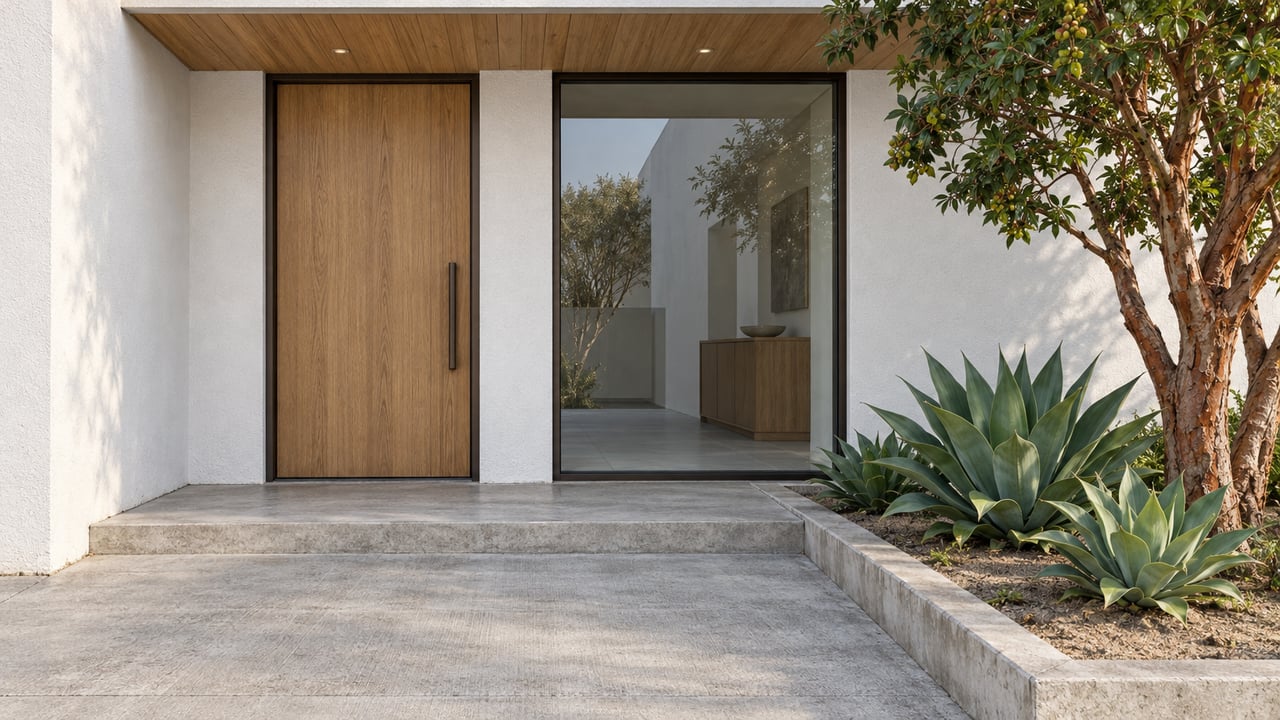
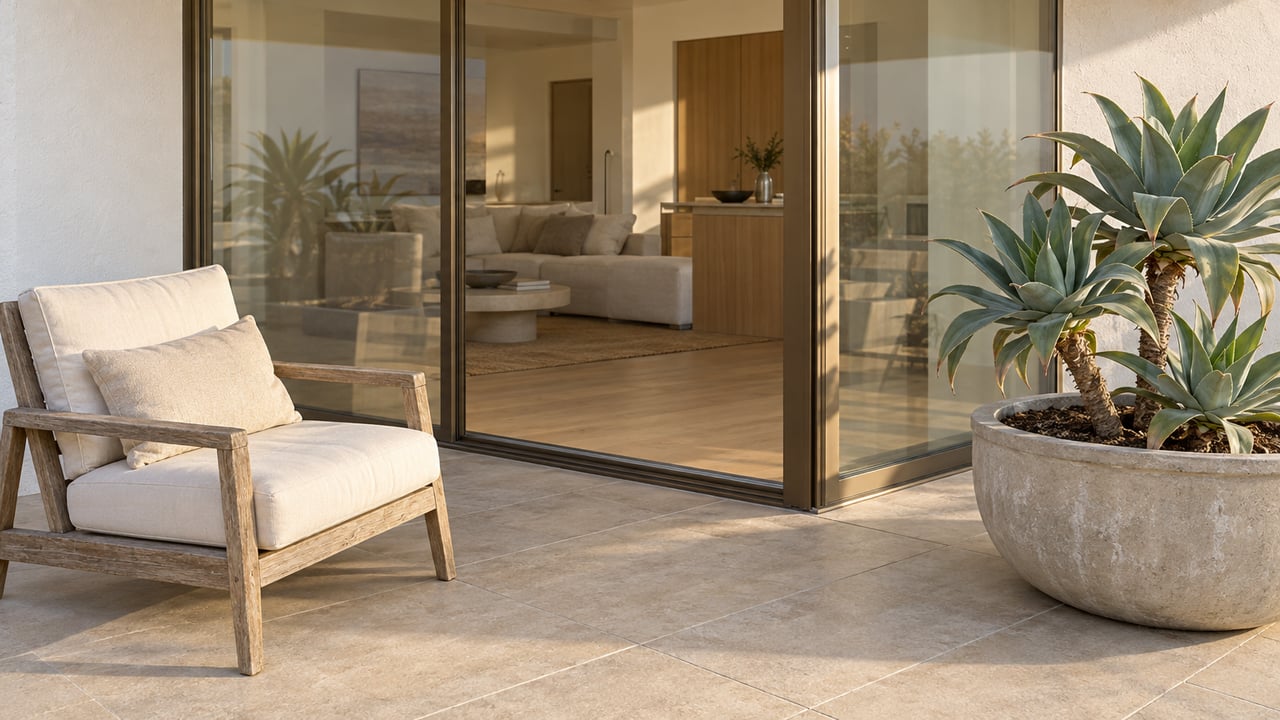
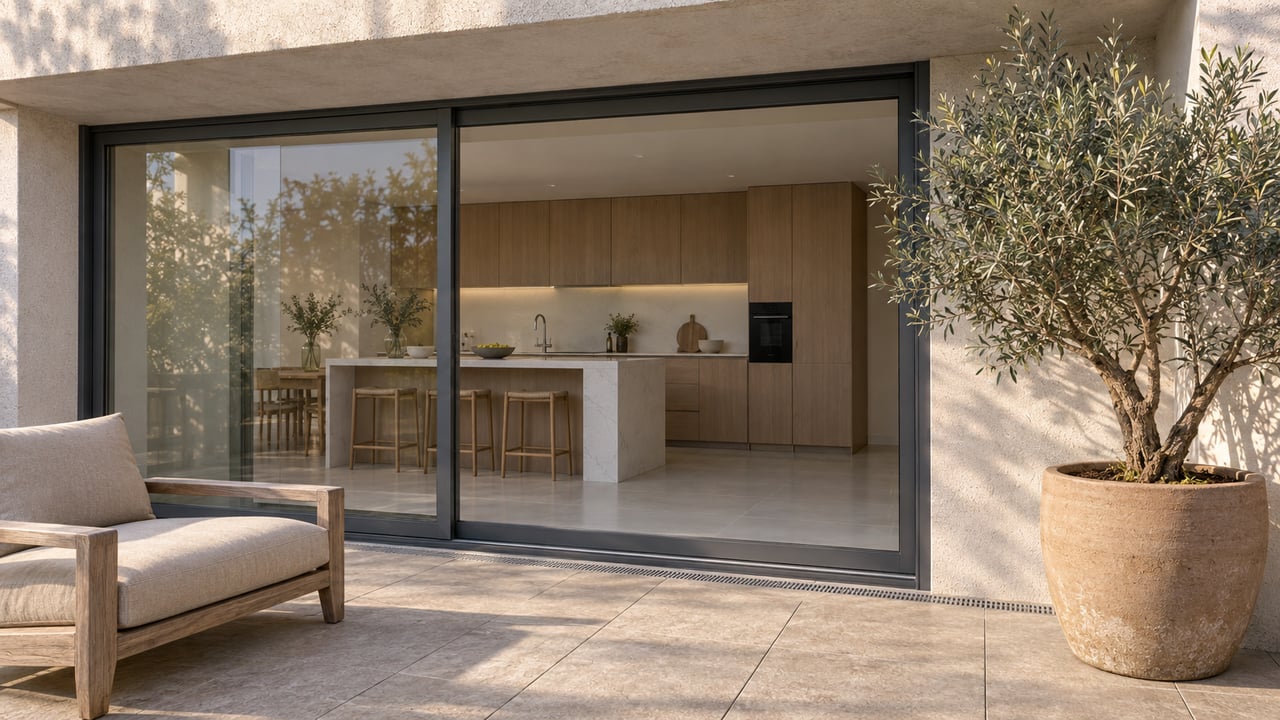
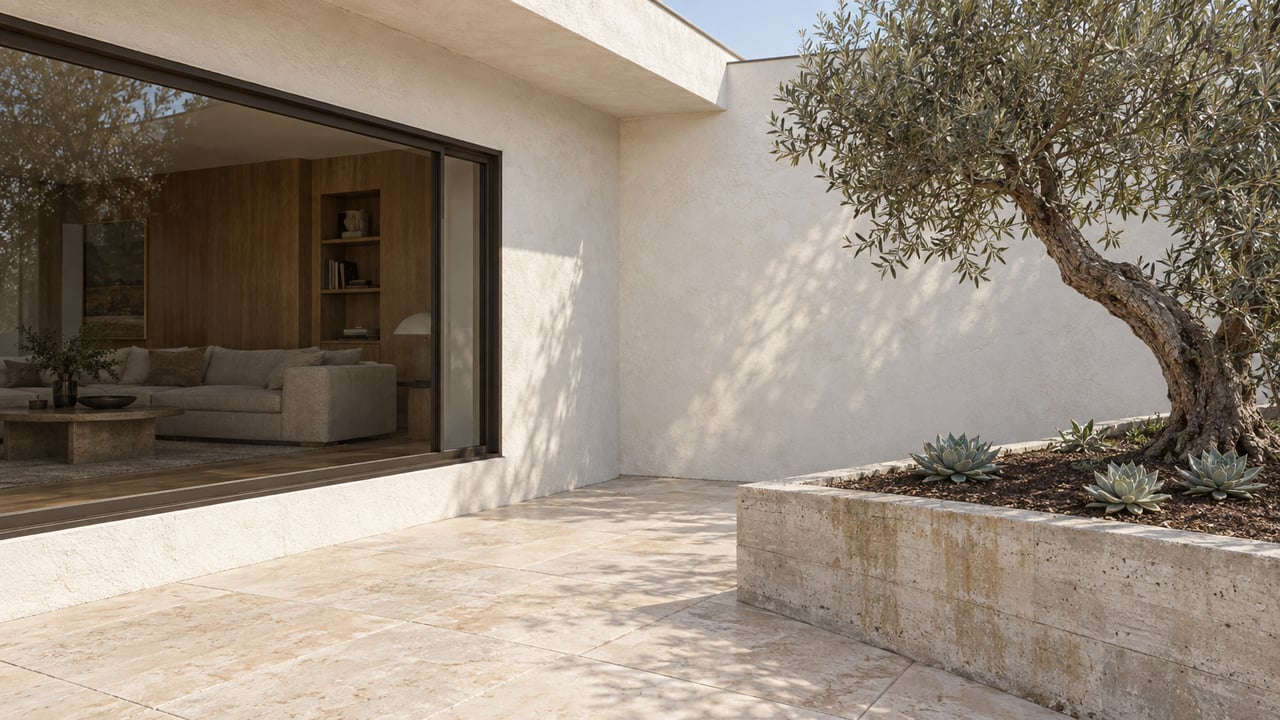
It also feels newer than many older coastal San Diego neighborhoods. The city notes that the first homes in the planned community were built in 1983, and development was placed atop mesas while many canyons were left untouched. In real life, that often means more consistent subdivision layouts, newer housing patterns, and a suburban feel instead of an older urban street grid.
For many move-up buyers, that combination matters. You may want more space, a more predictable neighborhood layout, and easier access to parks, shopping, and everyday services. Carmel Valley tends to check those boxes.
Carmel Valley lifestyle and setting
Carmel Valley is best understood as a coastal-leaning suburb, not an urban village. It offers a planned-community feel with residential neighborhoods, open space, and commercial areas woven into the broader layout. If you want a neighborhood built around driving convenience and day-to-day functionality, that can be a plus.
The area’s demographics help explain why it appeals to many buyers making a long-term move. SANDAG’s 2022 estimate for the Carmel Valley Community Planning Area showed a median age of 40.9, with 9,264 residents under age 18. It also reported a median household income of $194,286 in 2022 constant dollars, with 48.1% of households in the $200,000-or-more income bracket.
Those numbers do not determine whether a neighborhood is right for you, but they do show that Carmel Valley has a large base of established households. For move-up buyers, that often signals a market where higher-price purchases are common and well-supported.
What homes you will find here
One of Carmel Valley’s strengths is that it is not a one-note housing market. SANDAG estimates show 6,682 single-family detached units, 1,162 single-family attached units, and 6,574 multifamily units in the planning area. That gives you more flexibility than you might expect in an upscale San Diego neighborhood.
If you are moving up from a condo or townhome, Carmel Valley may offer a stepping-stone purchase before a jump into a larger detached home. If you are already a homeowner with significant equity, you may find larger family homes that better match your next stage. This layered housing mix can make the neighborhood more accessible than ultra-luxury coastal areas with fewer entry points.
Planning documents support that variety. Some areas were intended primarily for very low-density single-family detached housing, while other parts closer to the Town Center were planned for low-medium and medium-density housing. In simple terms, you will often find denser housing closer to the core and more detached homes as you move outward.
What Carmel Valley prices look like
Carmel Valley is not inexpensive, and that is important to say clearly. Over the three months ending May 2026, the median sale price was $2.1 million, up 10.5% year over year, with homes averaging 16 days on market. That points to a market that remains competitive, especially for well-positioned homes.
At the same time, the neighborhood shows a real range in pricing. Recent sales cited by Redfin included a one-bedroom condo at $575,000, a three-bedroom home at $2.18 million, and a four-bedroom home at $4.8 million. So while Carmel Valley is clearly an upper-tier market, it is not limited to one budget level.
That range is a major reason move-up buyers keep looking here. You may be able to enter through an attached home, target a more typical move-up house, or shop in the higher-end detached segment depending on your equity, financing, and goals.
How the current market feels
The numbers suggest a market that is active but not reckless. Carmel Valley recently showed a 100.0% sale-to-list ratio, 33.3% of homes selling above list, and 29.0% of homes receiving price drops. That tells you buyers are still competing, but they are also selective.
This matters if you are trying to sell one home and buy another. Pricing, preparation, and timing still matter even in a high-income neighborhood. A strong property may draw fast interest, while an overpriced listing may sit longer or need a reduction.
Broader San Diego reporting adds to that picture. Axios reported that nearly 60% of San Diego homebuyers in 2025 paid less than asking, and the average discount for homes sold below original list price was 6%. For move-up buyers, that means there may be room for negotiation, but not enough room to ignore strategy.
Commute and convenience tradeoffs
Carmel Valley scores well for regional access, especially if you drive. The City of San Diego highlights its location along the I-5 corridor and notes that it is easily accessed from much of San Diego County. For many households, that is one of the neighborhood’s biggest strengths.
But this is not a walk-to-everything district. Redfin labels Carmel Valley car-dependent, with a Walk Score of 37, Transit Score of 1, and Bike Score of 37. If your ideal day involves walking to most errands or relying on public transit, this area may feel limiting.
For a rough commute reference, the 92130 ZIP code profile reports a mean travel time to work of 22.2 minutes in 2024. Since ZIP code and community boundaries are not identical, that figure is best treated as directional. Still, it supports the general idea that Carmel Valley can offer efficient access for a suburban coastal San Diego location.
Schools and everyday appeal
For many buyers, school access is part of the move-up conversation. The City of San Diego lists Del Mar Union School District, San Dieguito Union High School District, and Solana Beach School District among the school systems serving the area. It also names Carmel Valley Middle School, Torrey Pines High School, Canyon Crest Academy, and multiple elementary schools serving the community.
The key takeaway is not that one option is better than another, but that Carmel Valley is well-known for having multiple school-serving institutions tied to the community. If schools are part of your search criteria, this is one reason the neighborhood often stays in demand.
Beyond that, the neighborhood’s parks, recreation center, shopping, restaurants, open space, and trail system add to day-to-day convenience. For buyers who want a practical home base with room to grow, those features can be a strong fit.
How Carmel Valley compares nearby
Carmel Valley sits in an interesting middle position among upscale San Diego neighborhoods. Its recent median sale price of $2.1 million is well above the countywide median of $916,000. So this is clearly a premium market by county standards.
At the same time, it is still below some of the area’s most expensive coastal and estate-focused communities. Del Mar posted a median sale price of $4.3 million over the last three months ending May 2026, while Rancho Santa Fe was at $3.225 million in March 2026. That pricing gap is one reason Carmel Valley can feel like a more practical move-up option for buyers who want a high-end area without jumping into the very top tier.
Compared with inland family suburbs, Carmel Valley is generally pricier. Research cited 4S Ranch at a $1.8 million median sale price in March 2026 and Torrey Hills at $1.3 million. In other words, you are often paying more for Carmel Valley, but you may also be targeting a more established coastal-corridor location and a broader mix of upscale housing.
When Carmel Valley makes sense
Carmel Valley may be the right move-up neighborhood for you if you want:
- A suburban setting with newer housing patterns
- A range of home types, from condos and townhomes to larger detached homes
- Convenient freeway access and strong north-county connectivity
- Everyday amenities like parks, trails, shopping, and restaurants
- A neighborhood where higher-price owner-occupied homes are common
It often works especially well if you are selling a home with equity and want to roll that value into a more spacious or more future-focused purchase. The neighborhood gives you a mix of practicality and prestige that is hard to find in one place.
When Carmel Valley may not fit
No neighborhood is perfect for every buyer. Carmel Valley may be less compelling if your top priorities are:
- Walkability for daily errands
- Strong public transit access
- An urban lifestyle with a dense street scene
- Estate-scale land and acreage
- The lower entry prices found in some inland neighborhoods
That does not make Carmel Valley a poor choice. It simply means the neighborhood is strongest for a specific buyer profile: someone looking for a well-established suburban environment with strong regional access and a range of move-up housing options.
Final thoughts on a move-up purchase
If you are asking whether Carmel Valley is the right move-up neighborhood, the answer depends on what you want your next chapter to look like. If you value newer housing, a family-centered suburban layout, broad day-to-day convenience, and a location that sits below the top coastal luxury tier while still feeling upscale, Carmel Valley makes a strong case.
The smartest next step is to compare your budget, timing, and lifestyle goals against the neighborhood’s real tradeoffs. If you are planning to sell and buy at the same time, the right strategy can make a big difference in how smoothly that move comes together. When you are ready to talk through your options in Carmel Valley and across San Diego, connect with Nadia Kasyouhannon.
FAQs
Is Carmel Valley in San Diego a good move-up neighborhood?
- Carmel Valley can be a strong move-up neighborhood if you want newer housing, a suburban setting, strong regional access, and a range of home types from condos to larger detached homes.
What is the median home price in Carmel Valley, San Diego?
- Over the three months ending May 2026, Carmel Valley’s median sale price was $2.1 million.
What types of homes are available in Carmel Valley?
- Carmel Valley includes single-family detached homes, single-family attached homes, and multifamily housing, which gives buyers options across several price points and property styles.
Is Carmel Valley walkable for daily errands?
- Carmel Valley is generally car-dependent, with a Walk Score of 37, so most buyers should expect to drive for many daily errands and activities.
How does Carmel Valley compare with Del Mar and Rancho Santa Fe?
- Carmel Valley is generally less expensive than Del Mar and Rancho Santa Fe, which can make it a more practical move-up option for buyers who want an upscale location without entering the very highest pricing tier.
Are there different school districts serving Carmel Valley?
- Yes. The City of San Diego lists Del Mar Union School District, San Dieguito Union High School District, and Solana Beach School District among the school systems serving the area.