Trying to choose between a loft and a condo in Downtown San Diego? That decision can shape how your home feels every single day, from your morning coffee setup to your commute, storage, noise level, and monthly costs. If you want a clear way to compare the two, this guide will help you understand the tradeoffs, what to look for in different downtown neighborhoods, and which questions to ask before you buy. Let’s dive in.
How loft and condo living differ
At a quick glance, lofts and condos in Downtown San Diego can seem similar because both are often attached homes in walkable, urban locations. The real difference usually comes down to layout, building style, ownership details, and the kind of daily lifestyle you want.
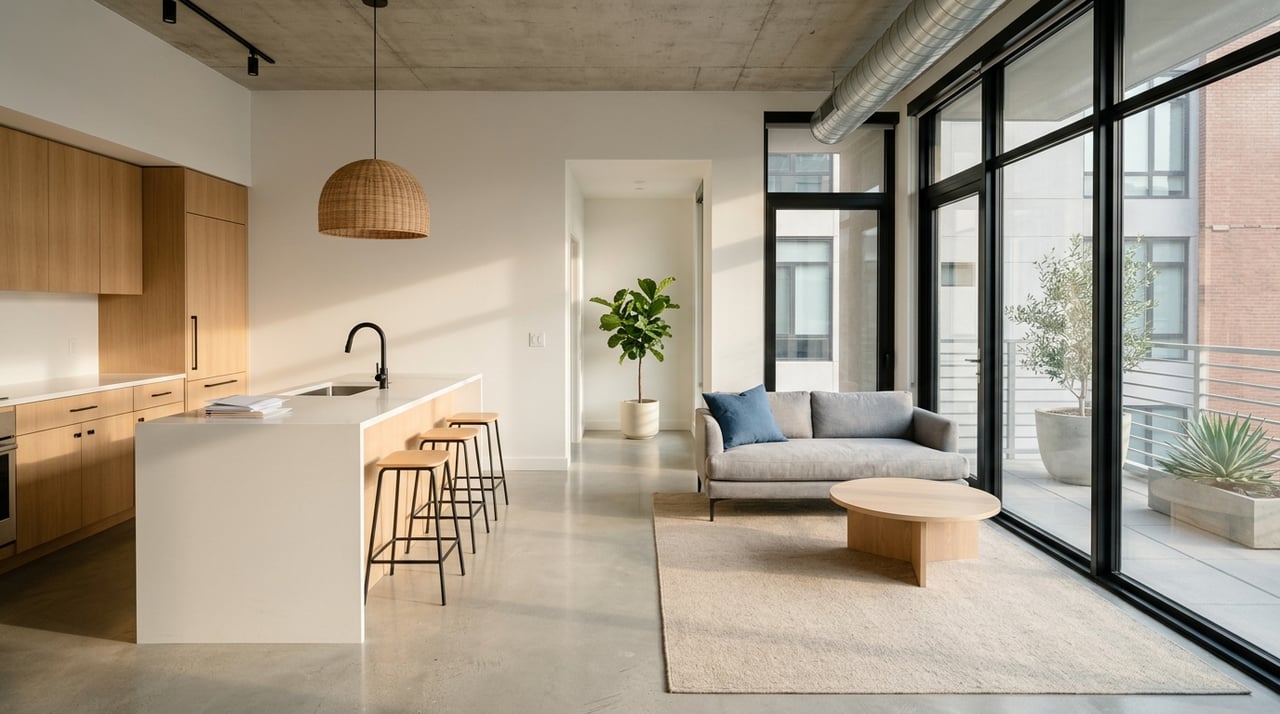
A loft often appeals to buyers who want openness, architectural character, and flexible space. In downtown San Diego, that can mean high ceilings, exposed concrete or ductwork, open floor plans, and buildings that came from adaptive reuse projects instead of standard ground-up residential towers.
A condo usually fits buyers who want a more conventional ownership structure and a stronger focus on building services and shared amenities. In California common-interest developments, condo ownership includes your separate unit plus shared ownership in common areas, with an HOA handling rules, maintenance responsibilities, and assessments.
What a Downtown San Diego loft feels like
Many downtown lofts are defined by space and character first. Buildings like Fahrenheit and McClintock Warehouse Lofts show the typical design cues buyers look for, including exposed structure, polished concrete floors, open living areas, and ceilings that leave ductwork or conduit visible.
That style can feel creative, modern, and flexible. If you work from home, want a live/work setup, or simply prefer fewer walls and more visual flow, a loft may match how you actually live better than a more compartmentalized home.
Downtown loft inventory also has a unique local story. The City of San Diego allows office-to-residential conversion in the Centre City Planned District, which helps explain why some downtown loft options come from adaptive reuse rather than traditional residential development.
Pros of loft living
- Open layouts with flexible furniture options
- High ceilings and larger-feeling interiors
- Distinct design character and industrial details
- Potential live/work-friendly feel in some buildings
- Daylight-oriented spaces in certain loft projects
Tradeoffs to consider
- Fewer interior walls and less separation between spaces
- Privacy can feel limited compared with traditional floor plans
- Storage may be less straightforward in some layouts
- Building amenities may be less of a priority than design character
What a Downtown San Diego condo feels like
Traditional downtown condos tend to put more emphasis on the building experience. That may include staffed entry, fitness spaces, a clubhouse, a pool deck, fire pits, BBQs, wellness features, and other shared conveniences that shape your day-to-day routine.
In neighborhoods like Marina, condo towers often reflect a more polished waterfront lifestyle. Harbor Club is a good example of how condo buildings may compete more on services and amenities than on industrial design features.
For many buyers, that tradeoff feels worth it. If you want a defined ownership structure, predictable building systems, and a clear menu of shared perks, condo living may feel simpler and more aligned with your priorities.
Pros of condo living
- More conventional floor plans in many buildings
- Shared amenities that may support daily convenience
- HOA governance that clearly outlines maintenance and use rules
- Building services that can add ease and structure
- Strong fit for buyers who value a lock-and-leave lifestyle
Tradeoffs to consider
- Monthly HOA dues are separate from your mortgage
- Building policies may affect rentals, renovations, and pet rules
- Amenities can increase carrying costs
- Financing can be influenced by HOA finances and owner-occupancy levels
Which downtown neighborhoods fit each style?
Downtown San Diego includes eight neighborhoods identified by the City: Gaslamp, East Village, Columbia, Marina, Cortez, Little Italy, Horton Plaza, and Core. Each area has a different pace, setting, and building mix, which can affect whether a loft or condo feels like the better fit.
East Village and Gaslamp
East Village is the largest and fastest-growing downtown neighborhood, while Gaslamp is the historic dining and entertainment district. These areas tend to feel more active, with more event energy and street activity.
If you are drawn to loft living, these neighborhoods may offer the kind of urban character and visual energy that often pair well with open-plan homes. At the same time, if you are sensitive to noise or want quieter evenings, you should tour carefully at different times of day.
Marina and Columbia
Marina is known for waterfront urban living and luxury condos, while Columbia sits by the waterfront and is surrounded by parks. If you picture a more polished tower experience with shared amenities and a refined common-area feel, these neighborhoods may rise to the top of your list.
Condo buyers often gravitate here for services, waterfront access, and a more structured building lifestyle. That does not mean loft-style homes never appear, but the overall vibe usually leans more toward full-service condo living.
Cortez and nearby pockets
Cortez Hill mixes historic homes with modern condo towers and is one of downtown’s oldest neighborhoods. That can make it appealing if you want a downtown address with a different visual rhythm than the busiest entertainment areas.
If you are comparing lofts and condos, Cortez can be especially useful to tour because it may give you a feel for how quieter hillside living compares with more active street-level downtown pockets. For some buyers, that middle ground is exactly right.
Think beyond style and focus on daily life
It is easy to fall in love with tall ceilings or a rooftop pool during a first showing. The smarter move is to think about how the home will function on a normal Tuesday.
Ask yourself how much privacy you need, whether you work from home, how often you host guests, and whether you want your building to provide services or just shelter. A loft may wow you visually, but a condo may support your routine better, or the opposite may be true.
Noise and activity matter too. Downtown has a dense cluster of trolley stops, including Santa Fe Depot, America Plaza, Convention Center, Gaslamp Quarter, Fifth Avenue, City College, Park & Market, and 12th & Imperial, and the area is well served by Blue, Orange, Green, and Silver line service. That strong transit access is a major plus if you want a car-light lifestyle, but it also reinforces why touring at different hours is so important.
What ownership and HOA details mean for buyers
When you buy a condo in a California common-interest development, you are buying your unit plus shared rights in common areas. That also means the HOA plays an important role in maintenance, rules, assessments, and the overall financial health of the building.
This matters more than many buyers expect. HOA dues are typically separate from your mortgage, and lenders also look at HOA finances and the percentage of rented versus owner-occupied units in the building.
If you are comparing a loft that is legally a condo against a more traditional condo, the ownership structure may be more similar than the layout suggests. That is why you should always separate the look of the home from the legal and financial structure behind it.
Due diligence matters in downtown buildings
Downtown buyers should pay close attention to disclosures and building condition. California Civil Code 4525 requires extensive resale disclosures for common-interest properties, including governing documents, current assessment information, unresolved violation notices, approved but not-yet-due assessment changes, rental restrictions, certain board records on request, and the most recent inspection report required under Civil Code 5551.
California Civil Code 5300 also requires an annual budget report with reserve summaries, a reserve funding plan, possible special assessments, and insurance information. Those records can tell you a lot about whether a building is planning well for major repairs or may be facing future financial pressure.
Reserve planning is especially important in downtown towers and mid-rise buildings. Under Civil Code 5550, qualifying associations must visually inspect major components at least once every three years, and for buyers that can affect your understanding of roofs, balconies, waterproofing, elevators, and other shared systems.
Questions to ask before you make an offer
A good tour is not just about finishes and views. It is also your chance to test whether the property fits your budget, routine, and comfort level.
Here are some smart questions to ask:
- Is this a true loft, a soft loft, or a conventional condo?
- Was the building originally built as residential, or was it an adaptive-reuse conversion?
- What do the HOA dues cover, and how often have they changed?
- Are there rental caps, minimum lease terms, or owner-occupancy thresholds?
- Is parking deeded, assigned, or shared?
- Are storage spaces part of the unit or an exclusive-use common area?
- Are there pending repairs, reserve shortfalls, or special assessments?
- When was the most recent balcony or exterior elevated-element inspection completed?
- What does the building feel like on weekdays, weekends, and event nights?
What pricing looks like downtown
For useful context, the Greater San Diego Association of REALTORS’ April 2026 local market update for 92101 reported an attached year-to-date median sales price of $750,000. That gives you a benchmark for downtown attached housing, though it does not separate lofts from conventional condos.
That is why building-by-building analysis matters. Two homes at a similar price point can offer very different value depending on layout, amenities, HOA health, location, and future resale appeal.
How to choose the right fit for you
If you love open space, architectural detail, and a more creative urban feel, a loft may be the better match. If you want predictable structure, stronger amenity packages, and a more conventional ownership experience, a condo may check more of your boxes.
The best choice is not the one that sounds trendier. It is the one that supports how you want to live in Downtown San Diego, both now and a few years from now.
If you are weighing lofts against condos and want a local, honest read on buildings, neighborhoods, and resale considerations, Nadia Kasyouhannon can help you compare your options and move forward with confidence.
FAQs
What is the difference between a loft and a condo in Downtown San Diego?
- A loft usually emphasizes open layout, high ceilings, and design character, while a condo usually emphasizes a more conventional ownership setup, HOA structure, and shared building amenities.
Which Downtown San Diego neighborhoods are better for condo living?
- Marina and Columbia often appeal to condo buyers because of their waterfront setting, parks, tower living, and amenity-focused buildings.
Which Downtown San Diego neighborhoods are better for loft living?
- East Village and some other urban-core areas may appeal more to loft buyers who want open-plan living, adaptive-reuse character, and a more energetic downtown feel.
Do Downtown San Diego condos have HOA dues?
- Yes. In California common-interest developments, HOA dues are usually separate from your mortgage and help cover shared building responsibilities and common areas.
What should you review before buying a Downtown San Diego condo or loft?
- You should review HOA documents, assessment information, reserve and budget disclosures, rental restrictions, inspection reports, parking details, and any signs of pending repairs or special assessments.
Is Downtown San Diego good for a car-light lifestyle?
- Downtown has strong trolley access, including Blue, Orange, Green, and Silver line service, plus connections at Santa Fe Depot, which can make a car-light lifestyle more practical for many buyers.