Thinking about a condo in Little Italy, but not sure what it’s really like to live there day to day? You’re not alone. The neighborhood’s energy, bay views, and restaurant scene are a big draw, yet every building feels different and HOA rules can be confusing. In this guide, you’ll learn how Little Italy living works, which condo styles fit your needs, what to check in HOA documents, how parking and transit shape daily life, and how factors like views and building age affect value. Let’s dive in.
Why Little Italy stands out
Little Italy is a compact, walkable downtown district just north of the Embarcadero. Its main street dining, outdoor piazzas, and pocket parks make it easy to leave the car at home and enjoy an urban lifestyle. The neighborhood hosts regular festivals and a popular Saturday farmers’ market, so there is always something happening. You can explore events and neighborhood highlights through the local community site at Little Italy Association of San Diego.
Walkability is a major perk. Little Italy posts a Walk Score near 98, making car-light living very realistic. The County Center/Little Italy trolley station connects you to the MTS Green and Blue Lines, and frequent bus routes add flexibility. You can confirm overall walkability metrics at Walk Score’s San Diego page.
What condos you’ll find
Little Italy offers a mix of building types:
- High-rise and full-service towers with amenities like concierge, pool decks, fitness centers, and structured parking.
- Five- to seven-story boutique or mixed-use buildings with slimmer amenity packages and typically lower HOA dues.
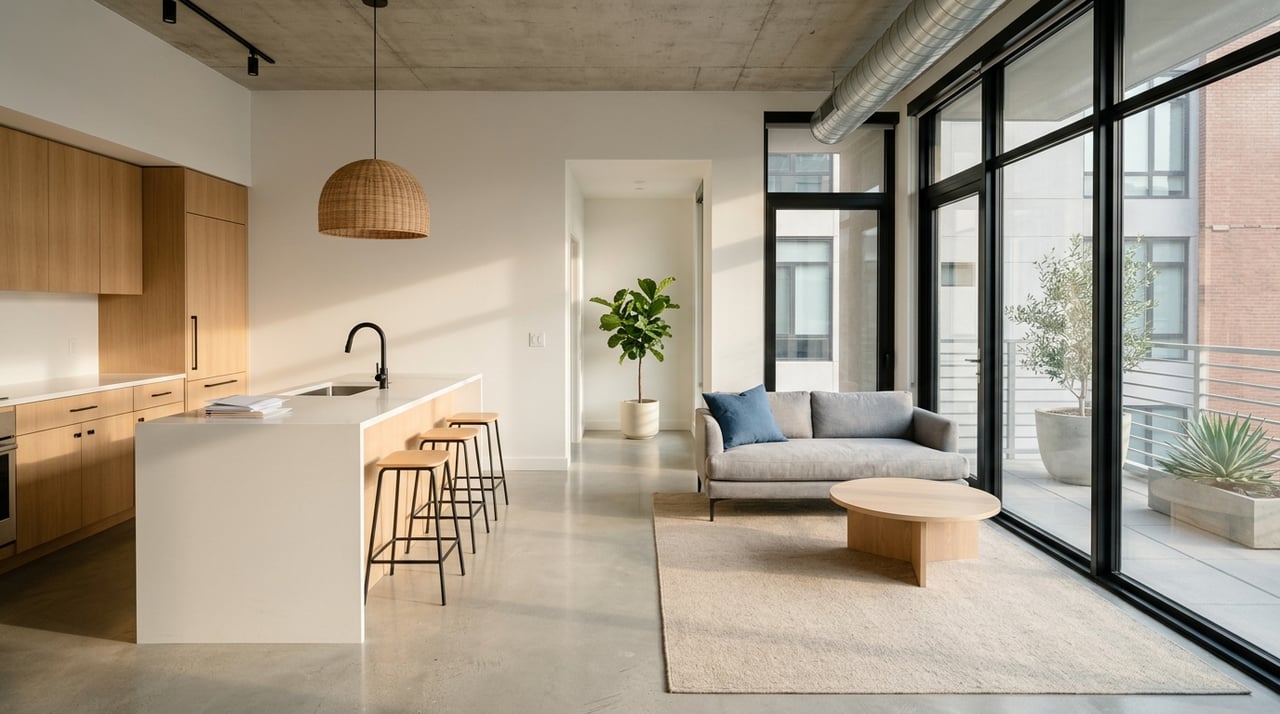
- Historic or warehouse-style conversions featuring loft layouts, exposed finishes, and character-rich details.
Floorplans vary by building, but you’ll commonly see:
- Studios around 400 to 600 square feet in many downtown buildings. Newer purpose-built studios often fall near 420 to 580 square feet. You can browse representative layouts at Stanza Little Italy’s floorplans.
- One-bedrooms often range from roughly 600 to 950 square feet.
- Two-bedrooms commonly run about 900 to 1,400-plus square feet, with larger floorplans and penthouses in luxury towers.
Many modern units include in-home laundry, balconies or terraces, and open kitchen-living spaces. Loft conversions often trade some built-in storage or amenities for volume, character, and unique layouts.
Match building types to your goals
Every buyer profile benefits from a different type of building. Here’s a quick way to think about fit:
- First-time buyer: A boutique mid-rise or well-managed mid-tier tower can deliver good value with balanced HOA costs. Look for efficient one-bedrooms or studios with natural light and smart storage.
- Downsizer: Full-service towers simplify life with security, on-site staff, controlled access parking, and amenities. Single-level living and elevator access can make daily routines easier.
- Investor: Buildings with strong rental demand and clear leasing rules are key. Focus on practical floorplans, easy maintenance, and project-level eligibility that supports conventional financing for future buyers.
If you like lower HOA dues and character, a boutique or loft building may be a fit. If you want staff, views, and on-site amenities, expect to pay a premium in a full-service tower.
Understand HOA dues and reserves
HOA dues typically cover common-area maintenance, building systems, exterior insurance for common elements, management, and amenities like pools or fitness centers. Some buildings include water and trash. Each HOA is unique, so verify what’s included early.
In Little Italy, it’s routine to see dues anywhere from roughly $300 to $1,200-plus per month depending on amenities, building size, and included utilities. Remember that lower dues are not automatically better. What matters is whether the HOA is funding long-term repairs with adequate reserves.
California’s Davis-Stirling Act requires associations to conduct and disclose reserve studies on a routine schedule. The law calls for a competent visual inspection and reserve study at least once every three years, with yearly disclosures about funding plans. You can review the statute in California Civil Code §5550 and related sections.
What to look for:
- Percent funded in the latest reserve study and any upcoming capital projects.
- Recent or pending special assessments and the reasons behind them.
- Meeting minutes for clues about recurring building issues.
- Insurance limits and deductibles for the master policy and what you need for your HO-6 policy.
Parking and mobility in a TPA
San Diego’s transit-oriented planning reduces minimum parking requirements for new multifamily projects in Transit Priority Areas. Much of Little Italy is in a TPA, and some newer buildings separate the cost of parking from the home price. This can mean you have an assigned garage stall, valet, stacked or tandem parking, or the option to rent an extra stall if available. Confirm whether parking is deeded, assigned, or leased, and whether additional stalls or EV charging are options. You can read more about code updates that shaped these outcomes in the city’s overview of single-issue Land Development Code amendments.
Street parking and public garages exist, but they can be busier on event nights and weekends. If you plan to own two cars or host frequent guests, make parking allocation and guest parking rules part of your early due diligence.
How age, floor, and location affect value
- Views and floor: Higher floors and consistent bay or skyline views tend to command price premiums. Large terraces and corner orientations can further lift value.
- Location in the neighborhood: Proximity to the waterfront, main dining corridors, and parks all influence price and lifestyle. Expect pricing to reflect these micro-locations.
- Building age and coastal exposure: Coastal conditions can accelerate corrosion and concrete wear over time. Many major capital projects relate to waterproofing and façade work. Ask whether the association has completed recent envelope inspections or exterior work and whether reserves can support the next round of projects. For background on corrosion mechanisms in coastal concrete, see ACI 222R guidance on chloride-induced corrosion.
Financing and project eligibility
Lenders evaluate both you and the condo project. FHA permits single-unit approvals under rules introduced in 2019, but project or unit eligibility still matters. Learn about program basics on HUD’s condominium approvals page.
Conventional financing through Fannie Mae and Freddie Mac uses project reviews that look at reserves, owner-occupancy, and delinquency rates. If too many owners are late on dues or reserves are inadequate, some loans can be limited. You can review the project review framework in Fannie Mae’s Selling Guide for Full Review.
Practical tip: Ask your lender early about project eligibility so you can avoid surprises and choose buildings with strong resale liquidity.
Short-term rentals and local rules
If you are considering short-term rental income, you’ll need to comply with the City of San Diego’s Short-Term Residential Occupancy program. Licensing tiers, caps on whole-home licenses, and tax collection rules apply, and not every building’s CC&Rs allow short-term rentals. Review the city’s STRO program and confirm your building’s rental rules before you write an offer.
Market snapshot and rental context
Little Italy trades like a true downtown urban market with a wide range of condo types. As of January 2026, Redfin reported a Little Italy median condo sale price around $650,000. Because numbers change month to month, check the most current local MLS data when you are ready to act.
Rental demand stays strong in this neighborhood thanks to its location and amenities. Published rent indexes show typical studio, one-, and two-bedroom rents in the mid to high thousands per month. You can explore current trends by neighborhood at RentHop’s Little Italy rent index. If you plan to rent your unit, confirm building rental rules and STR licensing requirements first.
Your due diligence checklist
Use this quick list to protect your budget and time:
- Ask for the full HOA resale packet early. Request the annual budget, financials, reserve study, meeting minutes, CC&Rs, and rules. See disclosure requirements in the Davis-Stirling Act.
- Review reserves and upcoming projects. Confirm percent funded and any approved or contemplated special assessments. Reserve-study cadence is outlined in Civil Code §5550 and related sections.
- Confirm parking specifics in writing. Clarify deeded vs. assigned vs. leased, tandem or stacked stalls, EV readiness, and the process to rent an extra space.
- Verify insurance. Review the HOA’s master policy limits and deductibles, and confirm your lender’s HO-6 expectations. See Fannie Mae’s project review requirements.
- Check owner-occupancy and rental percentages. These influence financing options and the building’s long-term marketability.
- Request litigation disclosures. Ask for a short summary of any pending or recent lawsuits and possible financial impacts. Disclosure requirements are in the Davis-Stirling Act.
- Confirm moving policies and storage. Many high-rises require elevator reservations and proof of insurance from your moving company.
- If you plan STRs, confirm licensing and CC&Rs. Start with the city’s STRO program and verify your building’s rental rules.
- If using FHA or conventional loans, ask about project eligibility early. FHA offers single-unit approvals; see HUD’s condo guidance.
- Walk the neighborhood at different times. Visit during the farmers’ market and event evenings. Check schedules at the Little Italy Association.
Ready to explore Little Italy condos?
If you want the dining and waterfront lifestyle of Little Italy, the right building makes all the difference. A clear look at reserves, parking, and project eligibility will help you buy with confidence and protect resale value later. Whether you are a first-time buyer, downsizer, or investor, our team can help you compare buildings, read HOA documents, and coordinate lender and vendor steps so your move feels smooth.
Have questions or want to see current listings and HOA packages? Reach out to Nadia Kasyouhannon for tailored guidance grounded in local expertise.
FAQs
What do HOA dues usually cover in Little Italy condos?
- Dues commonly include common-area maintenance, building systems, exterior insurance on shared elements, management, and amenities like pool or fitness, with utilities varying by building.
How does parking work if I have two cars?
- Many buildings include one assigned or deeded stall, with options to rent an extra stall if available; verify availability, fees, and guest parking rules with the HOA.
Will I pay more for a higher floor or bay view?
- Typically yes; higher floors and consistent bay or skyline views often command premiums, especially in full-service towers and corner or large-terrace units.
Can I get an FHA loan for a Little Italy condo?
- Possibly; FHA allows single-unit approvals depending on project and unit eligibility, so ask your lender early to confirm the building meets the program’s requirements.
Are short-term rentals allowed in Little Italy condos?
- It depends; city licensing through STRO is required and many buildings restrict STRs in their CC&Rs, so confirm both city rules and HOA rules before you buy.