Selling in Carmel Valley is a high-stakes move. You want to protect your equity, pick the right moment, and launch with a polished plan that attracts serious buyers fast. This guide gives you a clear, step-by-step strategy tailored to 92130, including smart prep, pricing and timing, marketing options, and key costs. By the end, you’ll know exactly how to bring your home to market with confidence. Let’s dive in.
Carmel Valley market at a glance
Carmel Valley sits in a higher price tier for San Diego. As of January 2026, public portals showed a median sale price around the mid seven figures, with neighborhood home values commonly above $1 million. Market pace can shift with mortgage rates, and January 2026 data showed roughly a month on market for typical listings in the area. In short, demand is active, but pricing precision matters at this level.
The area includes a mix of single-family homes, planned communities with HOAs, townhomes, and luxury estates. Many subdivisions include CFD or Mello-Roos assessments that affect monthly carrying costs and buyer affordability. You see these line items often in 92130 listing details, and they should be part of your pricing and disclosure plan.
- For comps and pricing accuracy, your agent will use the regional MLS as the definitive source for local sold data. You can learn more about local MLS data sources at the San Diego regional MLS site at Sandicor/SDMLS.
- To understand how common Mello-Roos fees appear in local listings, review a real MLS example in 92130 that notes CFD details, such as this Carmel Valley listing detail.
High-ROI prep that works here
Smart preparation boosts buyer appeal without over-investing.
Quick wins buyers notice
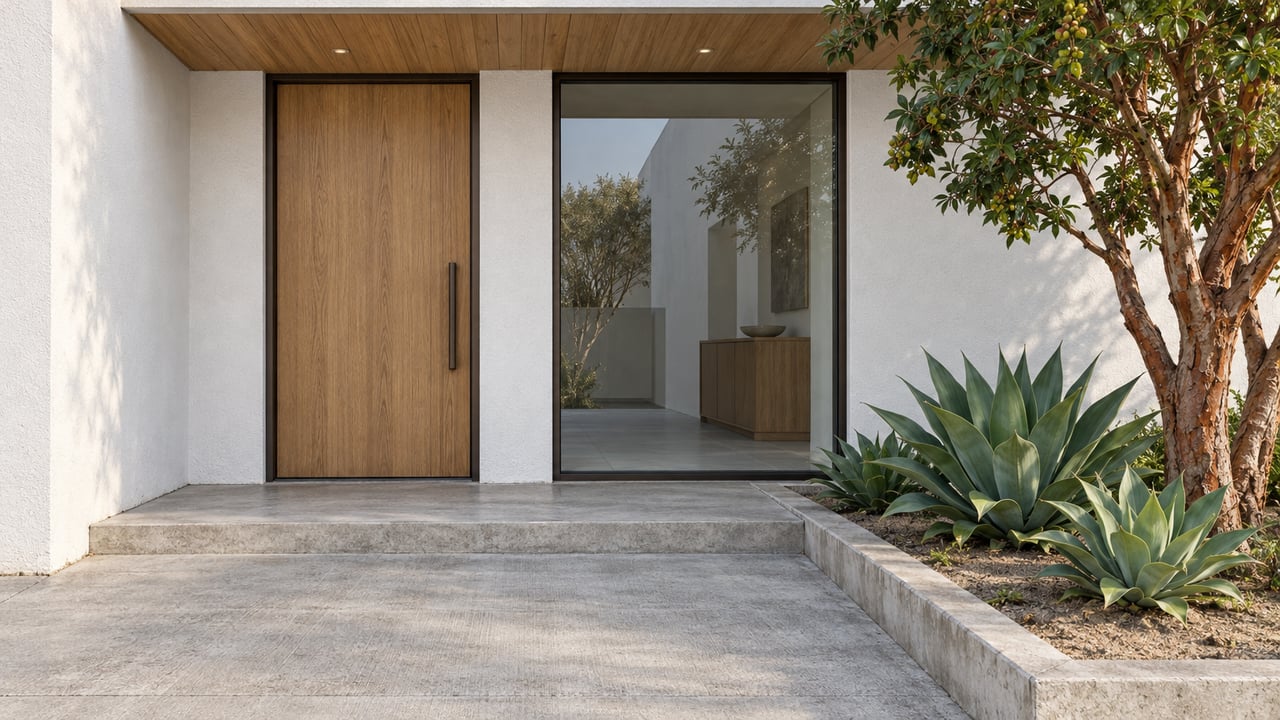
First impressions sell. In upscale San Diego neighborhoods, exterior refreshes deliver strong perceived value. Regional Cost vs. Value research highlights projects like garage door replacement, new steel or fiberglass entry doors, manufactured stone veneer, and fresh paint as top recoupers. See the Pacific region data for guidance on budgets and expected value at Remodeling Cost vs. Value.
Inside, focus on a clean, neutral look. Touch up paint, deep clean, simplify decor, and consider new LVP or hardwood refinishing if floors are worn. These cosmetic updates often punch above their cost in buyer response compared to full gut remodels in this price tier.
Smart midrange upgrades
Minor kitchen and bath updates help listings photograph better and feel move-in ready. Think cabinet refacing, new counters, fixtures, lighting, and midrange appliances that align with the home’s value band. Cost vs. Value findings suggest these projects tend to recoup more reliably than custom high-end remodels unless your comps prove a higher ceiling. You can review typical return ranges in the Pacific region at Remodeling Cost vs. Value.
Stage for emotion and speed
Staging is a lever you can control. The National Association of Realtors reports that staging commonly reduces time on market and, in many cases, lifts offers by 1 to 10 percent. It also improves listing photos and online click-through. Explore the research highlights in NAR’s coverage: home staging boosts sale prices and reduces time on market.
Pair staging with professional photography, floorplans, and a 3D tour to maximize reach and buyer confidence.
Inspections and disclosures
Pre-listing inspections can reduce surprise renegotiations and keep your timeline on track. In San Diego, buyers often expect termite clearance during escrow, so addressing wood-destroying pest issues early can protect your net. California also requires sellers to complete a Transfer Disclosure Statement and Natural Hazard Disclosure. Learn what you must share and why it matters in this overview of California seller disclosure obligations.
HOA, Mello-Roos, and fee transparency
If your home is in an HOA or has CFD/Mello-Roos assessments, have the amounts ready for marketing and showings. These recurring charges affect buyer affordability and your final buyer pool. Confirm details from your tax bill, HOA package, or MLS fields. The county recorder’s office outlines key recording items like transfer taxes and is a helpful reference: San Diego County Recorder.
Pricing and timing strategy
A disciplined pricing plan helps you capture top-of-market interest without stalling on the market.
How to set your list price
- Pull 3 to 5 recent closed comps from the same sub-community or tract, ideally within the last 90 days. Use closed price, price per square foot, days on market, and list-to-sold ratio. Your agent sources these from Sandicor/SDMLS.
- Adjust for lot size, view, pool, upgrades, condition, and carrying costs like HOA and CFD fees.
- Decide whether to start with a soft launch or go straight to full MLS. Your choice here pairs with your marketing plan and goals for privacy, speed, and exposure.
When to list in San Diego
Across many markets, late winter through spring, especially March to June, sees strong buyer activity, with several analyses pointing to a May premium for sellers. San Diego’s mild climate smooths seasonality a bit, yet spring listings still benefit from curb appeal and family timing. For a national overview of timing patterns, see this guide to the best time to sell a house.
Marketing your Carmel Valley listing
Your goal is to create competitive tension among qualified buyers. That comes from broad reach, standout presentation, and smart sequencing.
MLS reach as your baseline
A full MLS launch remains the gold standard for maximum exposure, syndicating your home across the top consumer channels through the regional data feed. It also puts your listing in front of agents with qualified buyers across San Diego County. Learn more about the MLS infrastructure at Sandicor/SDMLS.
Compass tools to amplify results
- Compass Concierge can arrange and front the cost of pre-sale improvements like staging, painting, flooring, and light remodels, with payment due at closing, subject to program terms. This is helpful if you prefer not to pay out of pocket before selling. Explore program details at Compass Concierge.
- Compass pre-marketing options include Private Exclusives and Coming Soon. These can help you test price, maintain privacy, and line up demand before a public launch. Compass has reported outcome lifts in some cohorts, such as higher closing prices and faster contract times, although results vary by property and market. Review the benefits and trade-offs at Compass Private Exclusives.
For sellers who value maximum exposure and early competition, a direct public launch is often best. If you need work done first or want controlled price discovery, a phased approach can work well.
Digital and on-the-ground strategy
Your listing should pair premium visuals with targeted distribution. That means professional photography, floorplans, and a 3D tour, plus geo-targeted social ads, a curated email to top buyer agents, and a well-promoted broker open. NAR research underscores how presentation influences buyer interest. See the NAR staging report highlights for more on why visuals matter.
What it costs to sell here
Plan your net with a simple framework. Actual figures depend on your agreement and escrow, but these are common line items in San Diego County:
- Brokerage commission: around 5 to 6 percent combined, split between listing and buyer’s agents. Commissions are negotiable. See local context in this overview of San Diego commission norms.
- Escrow, title, and recording fees: sellers often budget about 1.0 percent of the sale price for these items, though it varies by file. Learn how escrow fees are structured in California at 805 Escrow’s guide.
- Documentary transfer tax: San Diego County collects $0.55 per $500 of value, equal to $1.10 per $1,000, paid at recording. You can confirm details at the San Diego County Recorder.
- Repairs and credits: plan a small cushion, often 0.5 to 1.0 percent, depending on inspections and negotiations.
- HOA dues and CFD/Mello-Roos: you continue paying these until closing. Share accurate amounts in your disclosures and marketing.
Example for a $1,500,000 sale:
- Estimated commission at 5.5 percent: $82,500
- Escrow/title/recording at about 1.0 percent: $15,000
- County transfer tax at $1.10 per $1,000: $1,650
- Repairs/credits estimate: $7,500 to $15,000
- Subtotal estimated costs before mortgage payoff: roughly $106,650 to $114,150
Your net is sale price minus these costs and your loan payoff. Your agent will refine numbers with an escrow estimate before you list.
A simple timeline that works
Use this as a starting checklist and adjust to your home’s needs and calendar.
- Weeks 1 to 2: Strategy and discovery
- Review your goals, timing, and pricing band. Pull sub-community MLS comps and discuss prep scope and budget. Order a pre-listing inspection if needed.
- Weeks 2 to 4: Prep and production
- Complete quick wins like paint and landscape refresh. Finalize light upgrades, schedule staging, and capture pro photos, floorplans, and a 3D tour.
- Week 4: Pick your launch
- Choose Private Exclusive, Coming Soon, or full MLS launch based on privacy needs, exposure goals, and readiness.
- Launch week: Go live
- Syndicate across channels, promote to local buyer agents, host broker and public opens, run targeted digital ads, and monitor early feedback closely.
- After launch: Adjust and negotiate
- Review showing patterns. If needed, refine pricing or terms. Negotiate offers, manage inspections, and track escrow milestones.
Neighborhood notes sellers ask about
- Schools and boundaries: Many buyers research public school boundaries that serve Carmel Valley, including the Torrey Pines High School area. Keep language neutral and provide official sources if asked. Your agent can share the best links for boundary maps and district contacts.
- Permits and additions: Ensure improvements are properly permitted and gather documentation before you list. Unpermitted work can affect value, buyer confidence, and lender approvals. Your agent can help you pull records and disclosures.
Ready to sell with confidence
Selling in Carmel Valley rewards a clear plan that blends data, presentation, and thoughtful marketing. With the right prep and pricing, you can capture strong demand and move on your ideal timeline.
If you are considering a move, let’s build your plan. Reach out to Nadia Kasyouhannon for a tailored pricing and prep strategy, Compass-enabled marketing, and a free home valuation.
FAQs
What is the best month to sell a home in Carmel Valley?
- National analyses point to stronger results in spring, with May often showing a seller premium, and San Diego’s mild climate keeps demand steady. See the timing overview at Bankrate.
How much should I budget for selling costs in San Diego County?
- Many sellers plan for roughly 6 to 10 percent of the sale price for commission, escrow, title, and routine fees, plus the county transfer tax of $1.10 per $1,000 recorded value.
Do I need to disclose Mello-Roos or HOA fees when selling in 92130?
- Yes. These recurring charges affect buyer affordability, so include accurate amounts in your disclosures and listing details. See how CFD fees appear in listings with this local MLS example.
Do pre-listing inspections help in San Diego?
- Often yes. They can surface issues early, reduce surprise renegotiations, and streamline timelines. Termite clearance is a common escrow item, so addressing it early can protect your net.
Will staging help my Carmel Valley home sell faster?
- NAR reports that staging often reduces days on market and can lift offers by 1 to 10 percent. See highlights in the NAR staging report.
What determines my list price in Carmel Valley?
- Recent MLS comps in your same tract or HOA, adjusted for lot, view, pool, condition, and carrying costs like HOA and CFD fees. Learn more about MLS data sources at Sandicor/SDMLS.