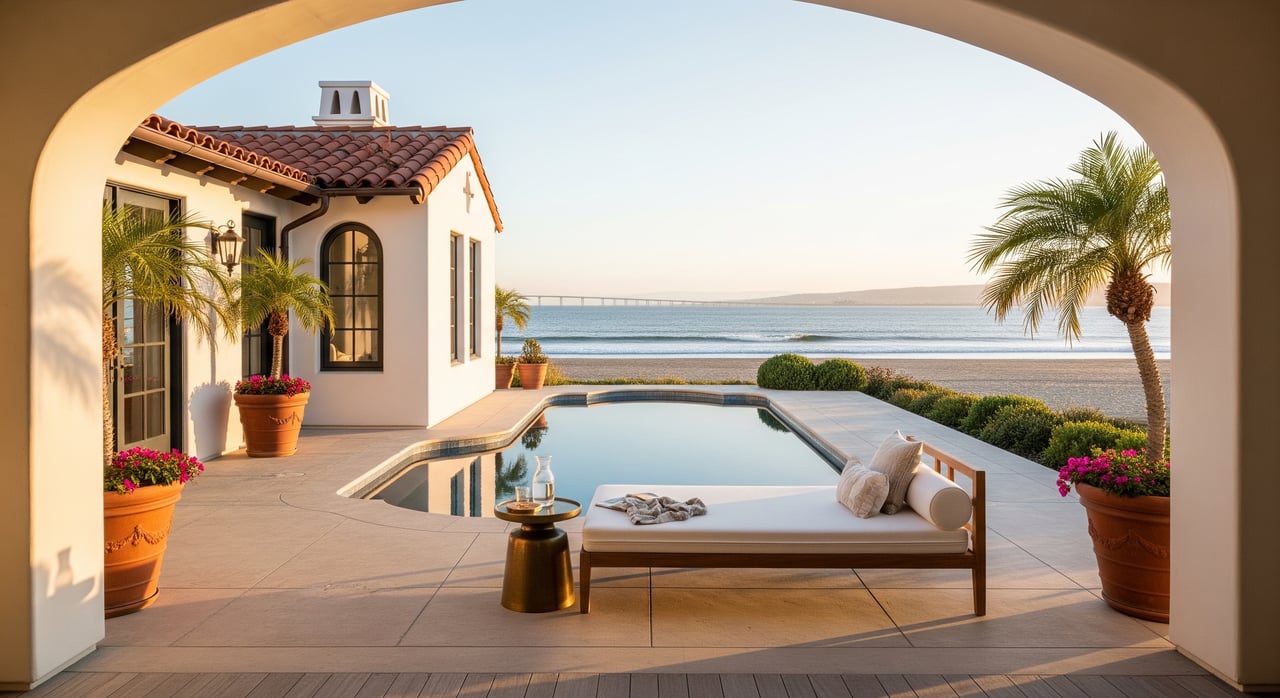
Thinking about trading big-city buzz for a beach-town pace without losing access to downtown San Diego? Coronado gives you exactly that. You get a small, close-knit community, miles of sandy shoreline, and quick links to the city by bridge or ferry. In this guide, you’ll learn how housing, commuting, outdoor life, and everyday essentials come together in Coronado so you can decide if it fits your next move. Let’s dive in.
Coronado at a glance
Coronado is a small, densely developed peninsula-island just across the bay from downtown San Diego. It connects to the city through the Coronado Bridge and to the south by the Silver Strand, a thin stretch of land that runs toward Imperial Beach. Most daily life centers around Coronado Village and Orange Avenue, with marina living in the Coronado Cays and the historic beachfront anchored by the Hotel del Coronado.
The population is in the mid-20,000s, which keeps the scale intimate. You feel the small-town rhythm, but you are minutes from a major metro area. Tourism and the military are major parts of the local economy, which shapes housing demand, seasonal activity, and community services.
Compared with broader San Diego, Coronado is more residential and tourism-focused, generally more expensive, and very walkable. You will not find the same number of big cultural venues, yet you can reach them quickly across the bridge.
Housing and neighborhoods
What you’ll find
Most homes in Coronado are single-family properties, from charming historic cottages near the Village to larger residences near the beach and Glorietta Bay. Condos and townhomes are common close to Orange Avenue, the Ferry Landing, and throughout the Cays. If you want a marina lifestyle, the Coronado Cays offers single-family homes and condos with private docks and water access.
Historic properties add character across the city, especially around the Village and near the Hotel del Coronado. Some areas have preservation or coastal rules that guide what you can remodel or expand. Lot sizes tend to be smaller near the Village and beach, and larger in select parts of the Cays.
How prices compare
Coronado is typically more expensive than the San Diego County average. Waterfront and historic homes command notable premiums, and even smaller cottages and compact condos hold strong values due to location and limited supply. Condos and cottages can be more attainable than large beachfront single-family homes, while prime waterfront properties often reach the multi-million-dollar range.
Inventory is limited because the city is small. Competition for desirable listings is common, especially near the beach and in the Cays. If Coronado is on your shortlist, plan ahead with pre-approval and a clear list of must-haves.
Where to live
- Coronado Village / Orange Avenue: This is the heart of everyday life. You can walk to coffee, shops, restaurants, and the beach. Parking can be tight and metered in commercial blocks. It is lively during tourist season and quieter off-season.
- Beachfront and Glorietta Bay: You get immediate ocean access, wide sandy beaches, and scenic views. Expect higher prices and more visitors near the Hotel del Coronado, especially on summer weekends and holidays.
- Coronado Cays: This is marina living with a relaxed, neighborhood feel. Many homes have docks and channel access. Parking is easier, and it has a more suburban rhythm compared with the Village.
- Silver Strand corridor: You are close to the beach and the Coronado Golf Course with a bit more space between homes. Vehicle access toward Imperial Beach can be convenient depending on your routine.
- Near naval areas: Some parts of Coronado are adjacent to or influenced by military installations. Housing options vary, and base operations can shape the surrounding environment.
Buyer tips
Because Coronado sits on the coast and has historic character, you should review local planning, coastal, and historic overlay rules before you remodel. If you are considering a condo or a Cays property, study HOA fees and CC&Rs early. If your strategy includes short-term renting, learn the city’s rules and tax requirements as part of your upfront due diligence.
Getting around and commuting
Daily options
Driving is the most common way to get around, with the Coronado Bridge linking you to downtown San Diego. The distance is short, but travel times vary with traffic, events, and bridge incidents. The passenger ferry between the Ferry Landing and downtown offers a scenic, car-free alternative for commuting or errands.
Links to regional buses exist, though service is more limited than in central San Diego. Many residents rely on biking and walking for short trips because the terrain is flat and there are dedicated bike routes. Rideshare, taxis, and seasonal water taxis supplement local mobility.
Traffic and parking
In the Village, expect metered and time-restricted parking in commercial areas. Some residential streets use permit zones. Summer weekends, holidays like July 4th, and large hotel events bring more cars and longer waits. The Silver Strand gives you another driving option if the bridge is backed up, though it can be longer depending on your destination.
If you commute
If you are heading to downtown San Diego most days, test the bridge at your typical hours and compare the ferry schedule. Check parking availability at both ends and see if a hybrid schedule fits your routine. If you rely on a car, living closer to the bridge or along the Silver Strand can help. Military personnel may have alternative arrangements or employer-directed housing options.
Beaches, parks, and outdoors
Beaches
Coronado Beach stretches wide along the Pacific, with soft sand and views of the Hotel del Coronado. It is popular for beach days and casual strolls, with designated areas for dogs. North Beach and Silver Strand State Beach extend toward Imperial Beach, and they are known for surfing and water sports.
On the bay side, Glorietta Bay offers calm waters that work well for kayaking and paddleboarding. Coronado’s beaches often receive positive recognition for cleanliness and overall quality. If a daily walk on the sand is part of your routine, you will feel right at home here.
Parks and paths
Spreckels Park sits in the middle of the Village. It hosts community events and a seasonal weekly farmers market. Tidelands Park and the Ferry Landing area add waterfront green space and playgrounds. In the Cays, neighborhood parks and paths create easy access to marinas and open space.
Cyclists love the Silver Strand bikeway and the flat streets across the island. Whether you prefer a sunrise ride or a late-afternoon walk, you have plenty of safe, scenic routes.
Recreation
You have public golf at the Coronado Golf Course along the bay. Water sports, including sailing, paddleboarding, and kayaking, are woven into daily life from Glorietta Bay to the Cays. The city offers recreation classes, youth sports, and seasonal events. The Fourth of July parade and fireworks are local highlights that draw big crowds.
Everyday living: schools and services
Schools
Coronado Unified School District serves local K–12 students. The district’s schools are a major consideration for many families and are widely regarded in the area. Because programs and performance change over time, you should verify current offerings and metrics through official sources.
Private and parochial options exist in and near Coronado. For specialized programs or advanced coursework, some families look to schools in nearby parts of San Diego.
Healthcare and essentials
You will find primary care, clinics, dentistry, and pharmacies in the Village and near the Ferry Landing. For specialty care and major hospitals, you will go over the bridge to San Diego. Emergency services have quick access across the bay.
Safety and community
Coronado has its own police and fire departments. Crime rates are generally lower than many urban areas in the region. Community groups and volunteer opportunities are active and visible, which adds to the tight-knit feel.
Dining, shopping, and things to do
Where you’ll eat and shop
Orange Avenue is lined with independent shops, boutiques, cafes, and restaurants that serve both residents and visitors. The Ferry Landing brings waterfront dining and relaxed retail to your daily mix. For a special occasion, the Hotel del Coronado adds historic ambiance and resort dining.
Nightlife and events
Nightlife in Coronado is quieter than downtown San Diego. Expect laid-back evenings, patio dinners, and gatherings with friends rather than late-night clubs. If you want concerts, games, or big events, downtown is a quick ferry ride or drive away.
Picture a typical Saturday. You bike to breakfast in the Village, spend a few hours on the beach, then paddleboard on Glorietta Bay before sunset. Dinner might be a short walk away, with fireworks or a ferry ride across the bay for a show when the mood strikes. It is beach-town living with easy access to the city when you want it.
Risks, rules, and what to know
Coastal considerations
Some low-lying areas are exposed to tidal surge and long-term sea-level rise risk. Before you buy, review FEMA flood maps and talk to insurance providers about coverage and premiums. For waterfront homes, ask for elevation certificates and factor in potential flood insurance.
Ownership basics
If your property sits in a coastal or historic zone, building and remodeling can require special approvals. Expect HOA rules and fees in many condos and Cays communities, and review CC&Rs for use restrictions. Salt air increases wear on exteriors, roofs, and metals, so plan for proactive maintenance. Coronado regulates short-term rentals and taxes, so confirm requirements if you intend to rent.
Is Coronado a fit for you?
Choose Coronado if you value walkability, a strong sense of community, and daily access to the beach. It suits buyers who want a quieter pace, marina living, or a scenic commute to downtown by bridge or ferry. It also works for those who prefer small-city convenience and quick access to San Diego’s bigger venues.
Be realistic about price levels and limited inventory. With the right plan and a local guide, you can find a home that matches your lifestyle goals.
Ready to map out a Coronado move, compare neighborhoods, or prep your home for sale with premium marketing? Connect with Nadia Kasyouhannon for tailored guidance, buyer and seller representation, leasing support, and Compass-enabled options. Get Your Free Home Valuation and start with a plan that fits your goals.
FAQs
How expensive is Coronado housing compared to San Diego?
- Coronado is typically more expensive than the county average, with condos and cottages more attainable than beachfront or marina-front single-family homes.
What is commuting from Coronado to downtown like?
- The drive is short in distance but varies with traffic and events; many residents also use the passenger ferry for a scenic, car-free commute.
Is Coronado walkable and good for daily errands?
- Yes, the Village and waterfront areas are very walkable, and many residents bike for errands, dining, and beach access.
What should I know about schools in Coronado?
- Coronado Unified School District serves local K–12; families should review current programs and performance through official sources.
Are there coastal risks I should plan for as a buyer?
- Some areas are in flood zones; review FEMA maps, ask for elevation certificates, and price out flood insurance during due diligence.
Can I operate a short-term rental in Coronado?
- Coronado has specific short-term rental regulations and taxes; review municipal rules and licensing before you buy or list a rental.